


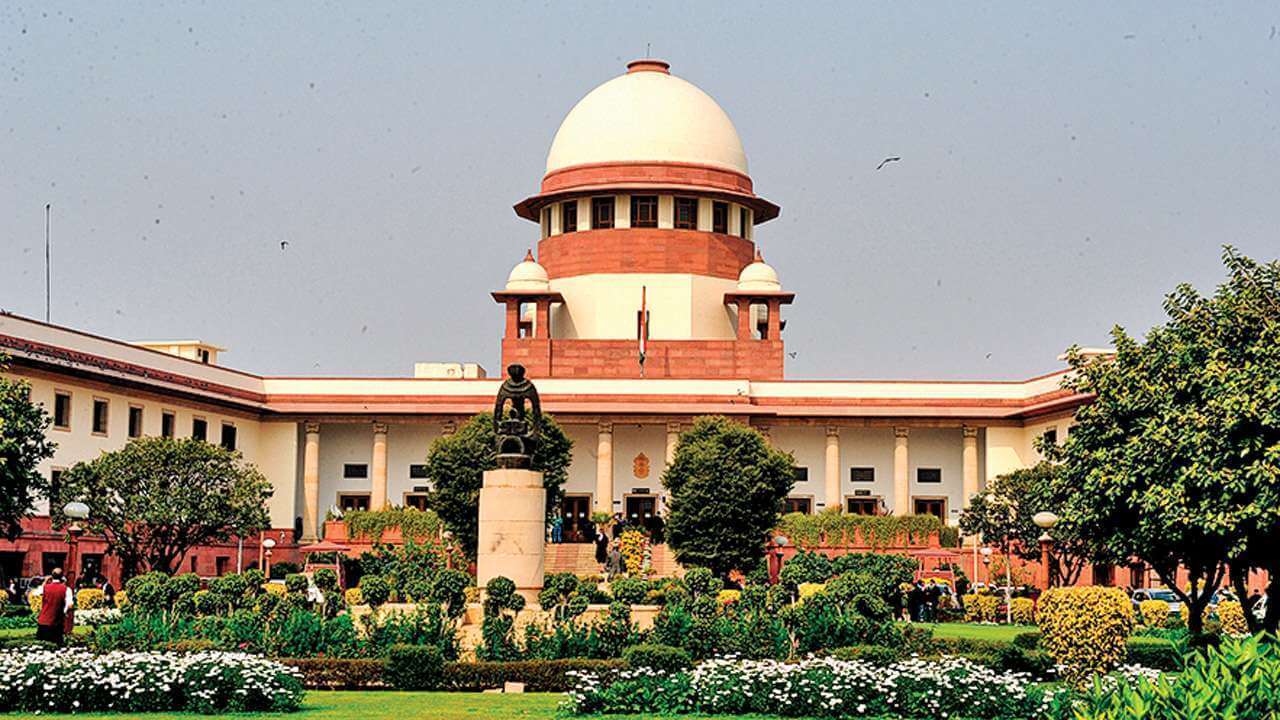
DEMONITISATION CASE: Vivek Narayan Sinha v. UOI 2023
Fact:
On November 8 th 2016, the Central Government by a notification announced the withdrawal of the 1000 and 500 rupees note from the circulation. In exchange new 500 and 2000 rupees note will be issue. Before 2016, the citizens of India faced two times demonetization which was in 1946 and 1978.
Demonetization is a process of stripping down a currency of its status as a legal tender. According to the Section 26 (2) of the RBI Act, Central Government after discussing with the RBI Governor can cancel any series of note any time. According to the central government this move will eliminate fake currencies, will also stop corruption, black money problem and the terror funding.
Issues Raised:
- Can the central government’s powers under section 26(2) of the RBI Act be limited in the sense that it can be exercised only over “one” or “some” series of banknotes?
- Can the impugned notification dated 8th November 2016 be struck down by applying the test of proportionality?
Argument from the Petitioner’s Side:
On behalf of the petitioners, the learned Senior Counsel submitted that the section 26 (2) of the RBI Act would not allow demonetizing “all series” of notes of a particular denomination. The learned counsel also submitted that there was a flaw in the decision-making process and therefore this decision of the government must be under gone the scrutiny of judicial review by the Hon’ble Court.
Argument from the Respondent’s Side:
The learned Attorney General on behalf of the respondent submitted that the word “any” appearing before the words “series of bank notes” in section 26(2) of the RBI Act will have to be construed as “all”.
The ld. Counsel also submitted that the court does not have the power to scrutinize this policy unless and until it is found to be arbitrary or violative of any constitutional provision or statutory provision of law.
Decisions of the Supreme Court:
A five judges bench was decided this case. Majority of the bench upheld the legality of the central government’s 2016 demonetization policy. The Bench also agreed that the Central Government has the power to demonetize any series of currency under Section 26(2) of the RBI Act.
Justice B.V. Nagarathna only delivered the dissenting opinion in this matter. According to him Section 26(2) of the RBI Act is applicable when the recommendation is initiated by the Central Board of the Bank by way of a recommendation made by the Central Government. The decision-making process was not an independent opinion of the Government but joint decision of both the Central Board of the Bank and the Central Government. Therefore, the notification issued under section 26(2) of the RBI Act is unlawful.
He also said that the whether the central board of Bank had visualise the consequences of this decision! In a Country when any note which was 86% of the total circulation was demonetize then it will create a havoc nuisance in the citizens.
According to him that the objective of the central government may have sound proper but the
manner of the procedure followed was not in accordance.
Conclusion:
The Hon’ble Supreme Court upheld the decision of demonetization and declared it as lawful with the majority of 4:1 of the bench. The SC also held that the Central Government has the power to demonetize all series of banknotes of a particular demonetization under Section 26(2) of the RBI Act with the recommendation by the Central Board. The Court also laid down that there is an inbuilt safeguard in Section 26(2) of the RBI Act thus there is no excessive delegation of the power.