


RAHUL GANDHI V. PURNESH ISHWERBHAI MODI AND ANR. 2023 (SC) 598
Facts:
In 2019, Rahul Gandhi, a leader of the Congress Party delivered his speech in a rally in Karnataka Kolar. In this rally his statement “”All thieves have Modi surname”” has become a contentious issue.
A complaint of criminal defamation under sections 499,500 of the IPC was brought against the appellant by the BJP Party’s MLA/ a former Gujrat minister Purnesh Bhai Modi. Sri. Rahul Gandhi state that his comments were focused on corruption and were not directed towards any community.
The Trial Judge has held him guilty of criminal defamation and awarded the maximum sentence of imprisonment for two years. Immediately after his conviction Sri Rahul Gandhi was suspended from the Lok Sabha. According to Article 102 (1) (e) of the Indian Constitution read with Section 8 of the Representation of the People Act, 1951 any individual found guilty and sentenced to two years or more in prison shall be disqualified or remain ineligible for six years even after their release.
Following that an appeal of stay was filed in the High Court of Gujrat against this matter. It was argued that the conviction was contrary to freedom of speech, was excessive and the criminal defamation case also not have a proper ground to seek any legal relief as he was not the victim in the case.
But the Gujarat High Court refused to stay the conviction and termed Mr. Rahul Gandhi as a ‘habitual offender’ in the many similar cases of defamation. The matter was went to the Supreme Court.
Issue:
The main issue in this case was:
1. Is the appellant entitled to the maximum punishment by the trial judge?
2. Is it appropriate to bar the appellant from holding a seat in Parliament?
3. Does criminal defamation constitute a morally repugnant offence?
Arguments:
The petitioner’s ld. attorney claimed that the petitioner’s remark had not created any scenario which was threatened the law and order of the country and that the offence was not a serious one that was cognizable or exempt from bail.
The respondent’s ld. counsel, arguments that it was not just a simplified statement but it also referred the most infamous absconder accused of the country, along with the name of the Hon’ble Prime Minister.
Thus, the present case would certainly fall in the category of “seriousness of the offence”.
Supreme Court Judgement:
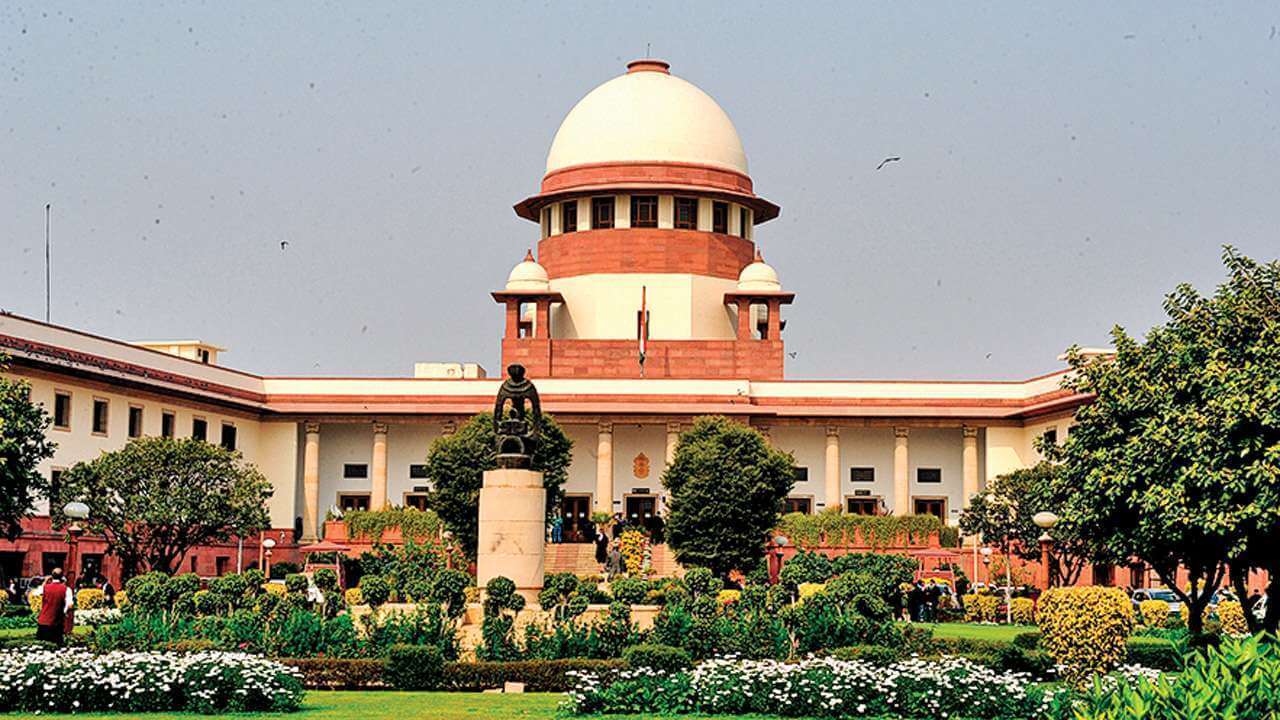
The The three-Judge Bench of the Supreme Court quashed the Gujarat High Court’s judgment which refused to stay on the lower court’s decision to award a conviction of two-year jail sentence to Sri Rahul Gandhi.
The SC said that particularly, when an offence is non-cognizable, bailable and compoundable, then the Trial Court was expected to put some reasons that why it necessary to impose the maximum sentence of two years. It was observed by the Supreme Court, though the ld. Appellate Court and the learned High Court have spent ample of words while rejecting the application for stay of conviction, but the aspects of necessity of this conviction have not even been touched in the orders.
The Supreme Court also observed that subsection (3) of Section 8 of Representation of the People Act, 1951 are wide in rang. Not only does it affect the appellant’s right to continue in public life, but it also affects their electorate’s right to elect him to represent their constituency.
Conclusion:
As in conclusion it can be said that this case raises questions about the rights to freedom of speech, thoughts and expression. The judgement of the Supreme Court will define the rights of the members of Parliament in cases of defamation.